
Restoring Your
Muscle Strength
Biomaterials for orthopedic trauma and reconstructive surgery
Developing the firstcommercialized technologydesigned to rebuild strength afterVolumetric Muscle Loss.
The damage caused by Volumetric Muscle Loss (VML) overwhelms the body's ability to regenerate muscle, making strength irrecoverable.
MyoSponge
A muscle-regenerating implantable scaffold designed to mimic the Basal Lamina, which is the native support structure that allows muscle cells to grow.
How it works
Injury
Patient has VML after a car accident or gunshot injury. Surgeons remove the dead tissue.
Implantation
Surgeons implant MyoSponge to structurally support damaged muscle tissue from trauma.
Regeneration
Patient stem cells migrate into MyoSponge, multiply, and mature into new muscle fibers.
Resorption
MyoSponge gradually resorbs and is replaced by functional muscle tissue.
NSF SBIR-funded pig study
Supported by a National Science Foundation SBIR Phase I award, GenAssist evaluated MyoSponge in a large-animal pig model of VML to quantify functional and structural recovery.
Team
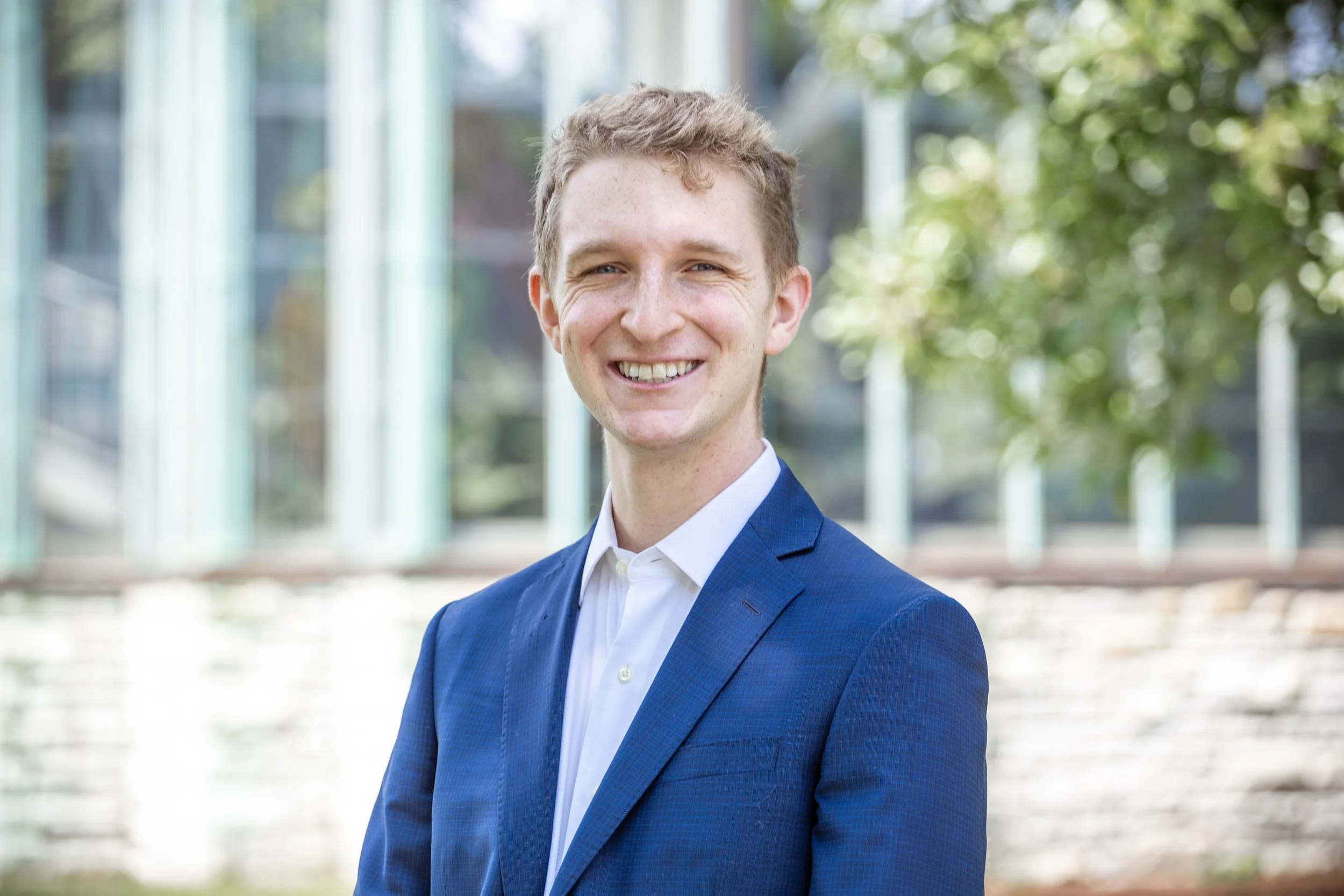
Joe leads fundraising and partnerships, raising over $500k for GenAssist. Across his ventures, he has secured over $1M, including investments from Baxter, Endeavor Health, and Hologic. With 3 publications, 2 patents, a clinical trial, and launch of a medical device, Joe confidently leads GenAssist towards commercial success.
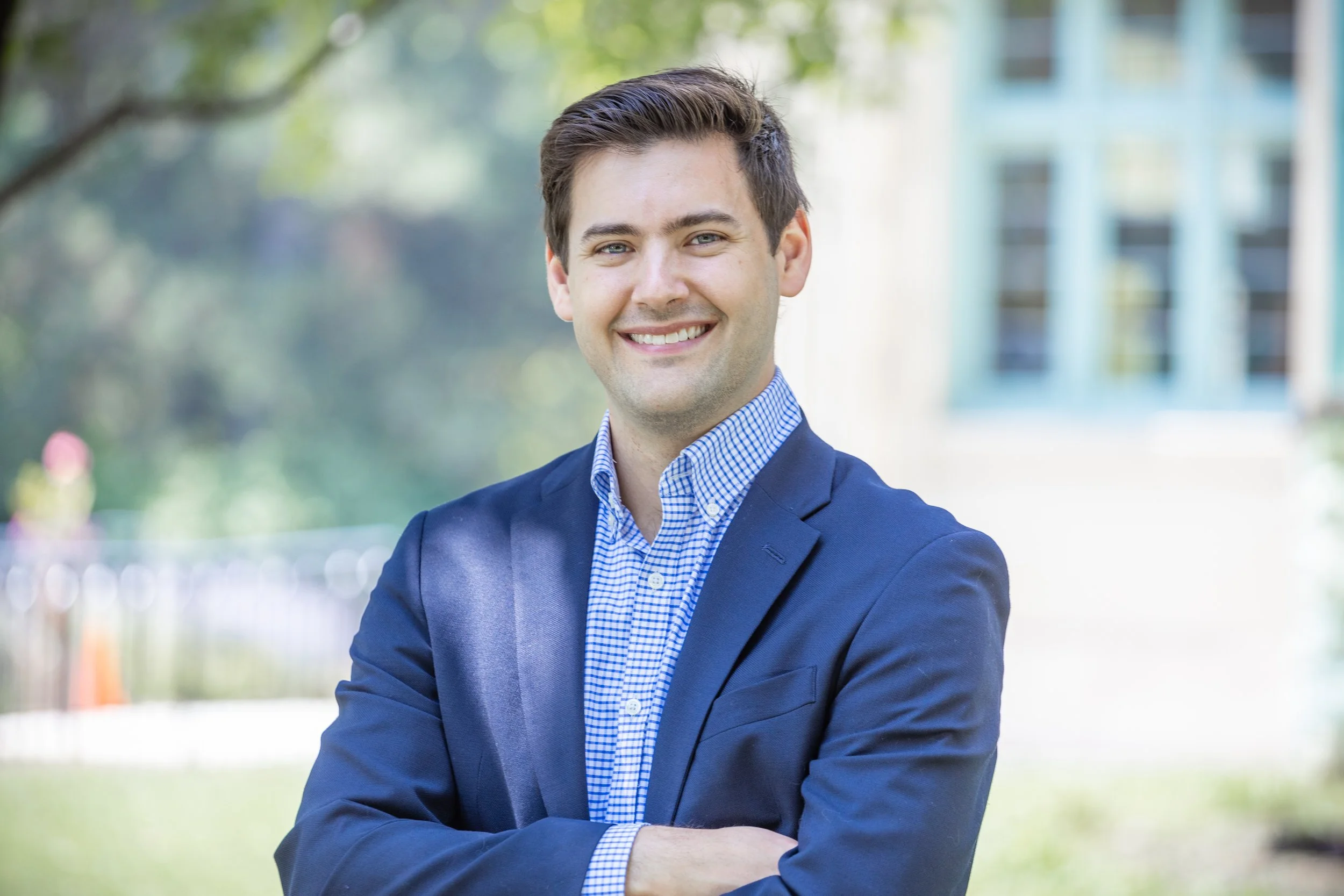
Gabe co-invented MyoSponge and spearheads its development. As the CTO, he leads R&D for MyoSponge, oversees regulatory affairs, and manages GenAssist's finances. He acts as the principal investigator for our $295k NSF SBIR award and is a listed author on 10 publications, two patents, and a textbook chapter.

Dr. Garg is an Associate Professor of Biomedical Engineering at Saint Louis University and runs the Musculoskeletal Tissue Engineering Laboratory, where MyoSponge was invented. She provides scientific guidance, collaborates on grant applications, and conducts research on early-stage GenAssist products.
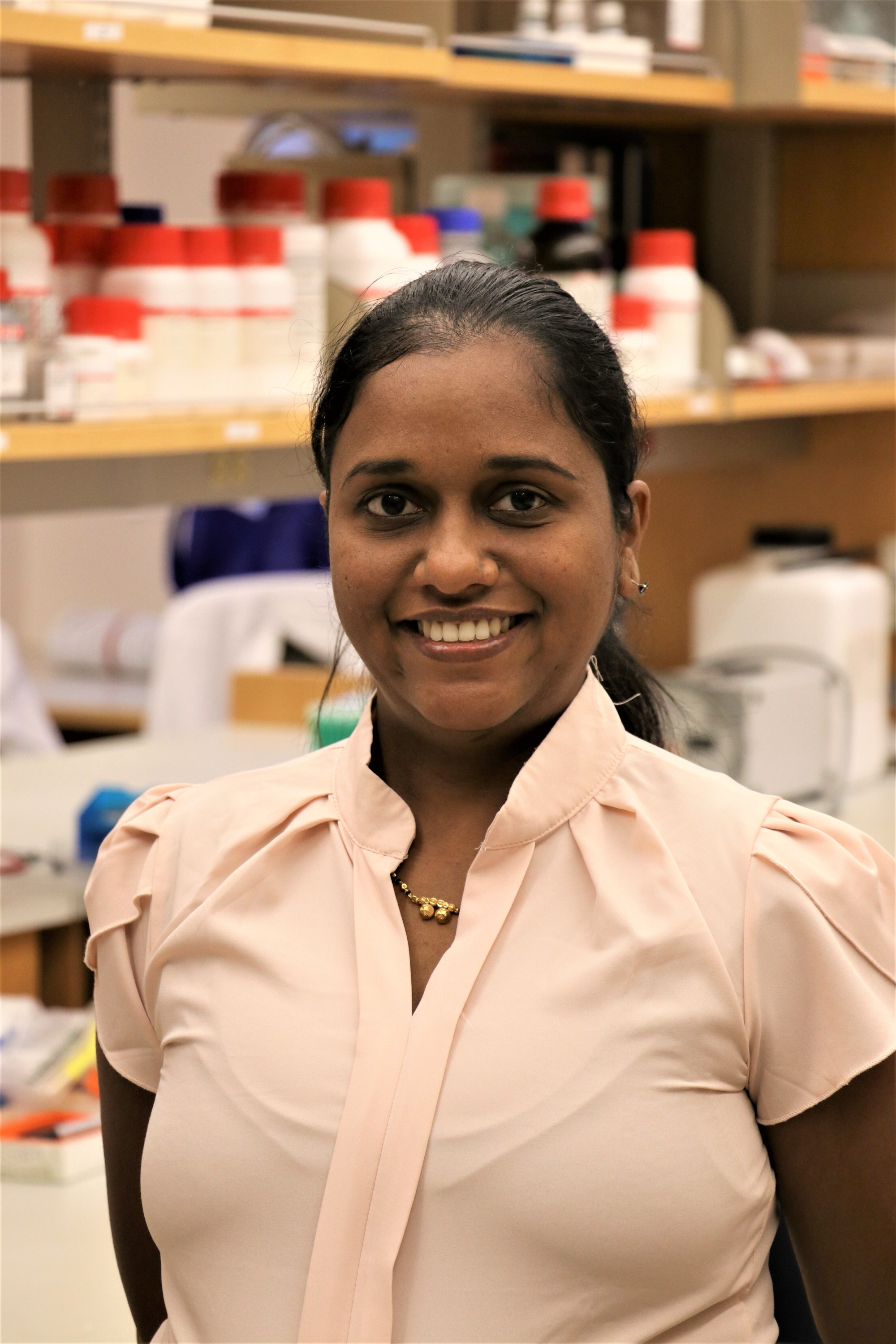
Dr. Patil drives the optimization of MyoSponge and GenAssist’s manufacturing scale-up. She holds a Ph.D. in Organic Chemistry and brings over a decade of experience in biomaterials and drug delivery from roles at Transcera, Washington University, and George Mason. She has authored multiple publications and patents in tissue engineering.
Please reach out to learn more
We welcome your inquiries and will try to respond as soon as we can